

プレスリリース
World’s first! A digital museum “Manga Art Museum” that collects original drawings from the golden age of manga is born on October 2nd.
2024/10/02 11:21
リリース提供:


The Manga Art Museum, a Japanese Museum of Contemporary Manga Art, which was established by Music Comics Co., Ltd. and Royality Bank Co., Ltd. As the final form, it aims to collect 100 Japanese artists and 5,000 works, and will be the largest manga museum in the world when it is completed. The first exhibition “1980-2000, 12 artists who colored the golden age of Japanese manga” will be held from October 2nd.
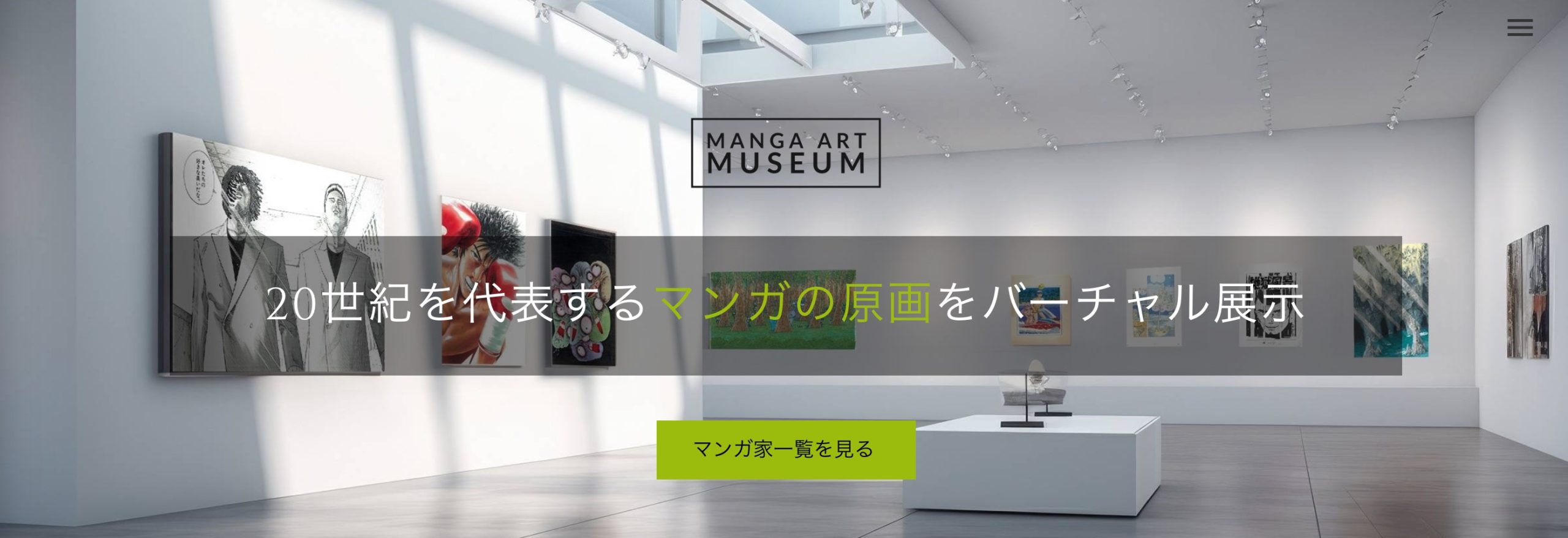
Museum entrance
https://manga-art.jp/pages/museum
The day has come when paper manuscripts disappear from manga!
Paper, pen, and ink juice, which was once said to be synonymous with manga, are now disappearing from the world of this manga. Digital distribution has become mainstream, and most of the manga are being produced digitally. Paper and pens are about to disappear from Japanese manga.
In this original painting exhibition, Yusuke Aoyagi of “Tosa Pole Fishing”, Yasuto Yamamoto of “Tetsujin Gamma”, and “Breasts” attracted many young people. Mio Village Mio from “After School of Commotion”, Mikio Igarashi from “Bonobono”, Fujihiko Hosono of “Gallery Fake”, “Gallery Fake” Akira Sasou of “Prodigy” and “Maestro”, Takashi Iwashige of “Bokkemon”, and Japanese manga from Showa to Heisei Approximately 400 works will be exhibited, focusing on the original drawings carefully selected from among the representative works of 12 manga artists who created the golden age.
When I saw Tezuka-sensei’s original drawing for the first time, my hand trembled!
He has served as editor-in-chief of Young Sunday and Big Comic Superior magazine at Shogakukan, and later served as a professor at the Faculty of Manga, Kyoto Seika University.
“The original manga and comics that we see are completely different things. When I joined Shogakukan, I was the first to be in charge of Osamu Tezuka, but I can still forget the shock I had when I received the manuscript for the first time. I still remember the trembling hands with the manuscript, with the pen touch that expresses even the character’s emotions, the use of screen tones that are carefully scraped and beautifully drawn, and the forces that are different from what you see in manga magazines.
Unfortunately, comic magazines use poor paper to bring out a bunch. Therefore, this pen touch almost disappears. Moreover, in small-sized books, even the subtle shadows of the tone are crushed and become extremely monotonous. Since the original color drawings are reproduced in four colors, the reality is that they do not resemble the original picture, combined with the poor paper.
I hope that you can see the original drawings of the manga that you read a long time ago and experience the power and charm of only the original drawings, and appreciate the manga as art.
More importantly, manuscript paper is acidic paper, so it deteriorates quickly. As a result, it will discolor in 20 or 30 years, and the severe ones will become tattered. Furthermore, since the number of manga manuscripts is large, it is difficult to store, and it may disappear after several decades.
In the Meiji period, ukiyo-e prints were not recognized as art, and in extreme cases, many of them were used instead of packing of exported ceramics, and many of them disappeared. If things go on like this, the original drawings of Japanese manga could become the second part of ukiyo-e prints.
Therefore, one of the main goals of this museum is to digitally preserve manga, which is a valuable cultural heritage of Japan, and to have manga fans around the world rediscover the manga as art.
Manga artists risk their lives on a single line!
One of the 12 artists to be exhibited this time, Yasuto Yamamoto, who has worked on hits such as “Tetsujin Gamma” and “Boku Boku” and continues to draw, “A painting is the life of a manga. I want to draw a manga because I want to draw. Dozens of lines are drawn, and one of the lines that you like the most is written with a pen and ink at once. It’s a house, isn’t it? I didn’t like how the character’s expression was drawn, so I spent 8 hours per frame.The editor in charge was angry.
Color manuscripts are the most regrettable. When the sunset, which has been hard-working and painted over and over again, is printed, it becomes uncertain whether it is the sunrise or the setting sun. It’s a shame because I thought I was desperately trying to create the image of the sunset in order to give it meaning to the sunset.
Well, I’ve given up on it because it’s not art printing. You may say it’s old, but personally, I’d like to stick with paper and pen until the end.
It’s really nice to be able to see the original color drawings digitally, and I feel like I’ve been rewarded a bit.”
In 1980-2000, when Japan was still in good spirits, how about the passion that artists continued to bet on their works, how about touching this digital museum? You will surely be fascinated by the power and splendor of the original drawings, which is not possible with printed manga, and the vigorous and vigorous pen touch, the delicately carved screen tone expressiveness that makes you want to go this far.
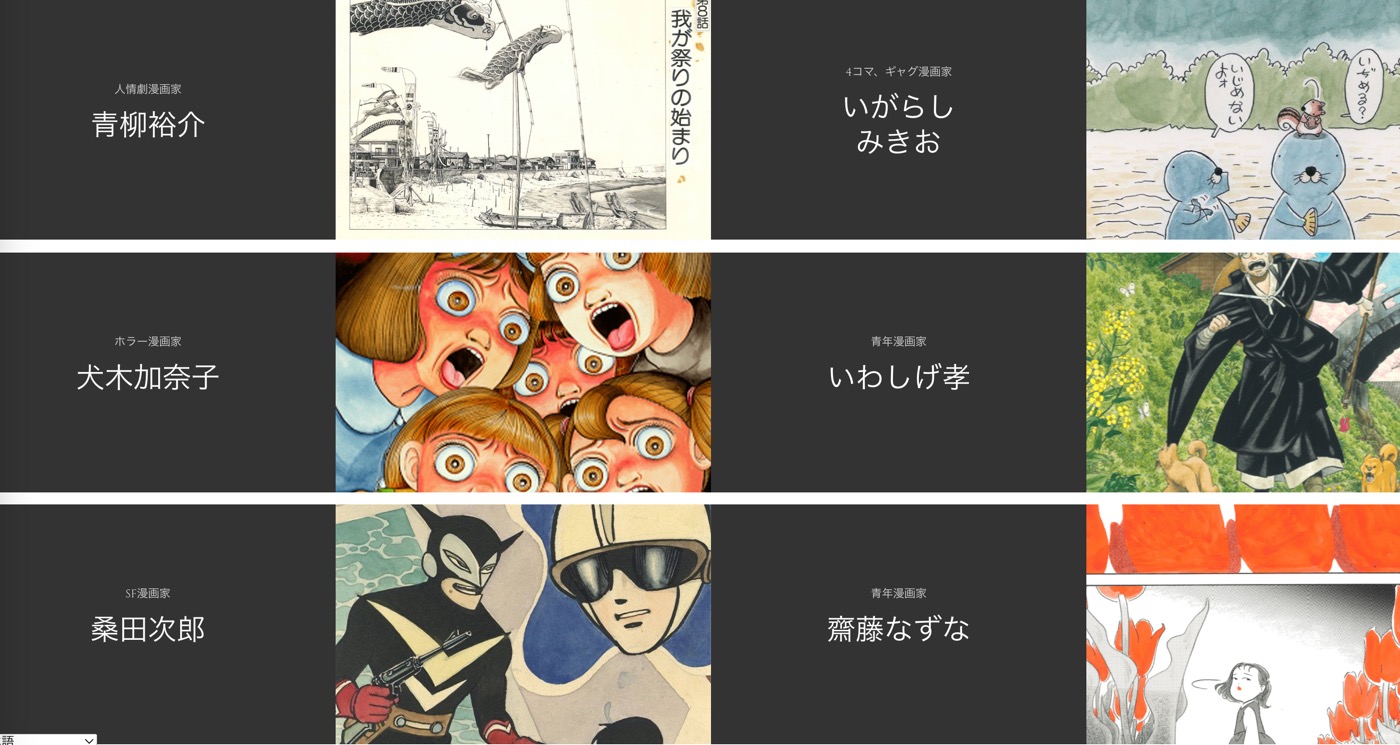
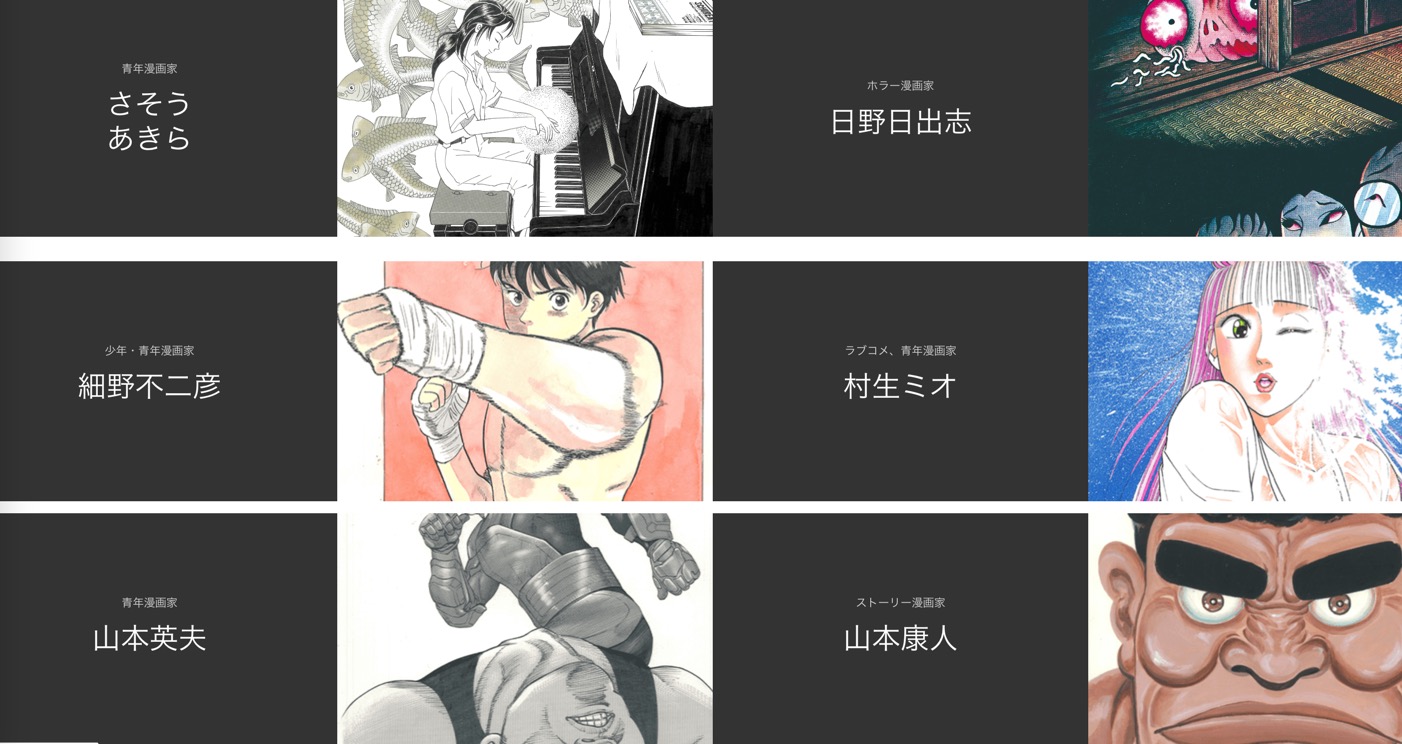
List of artists
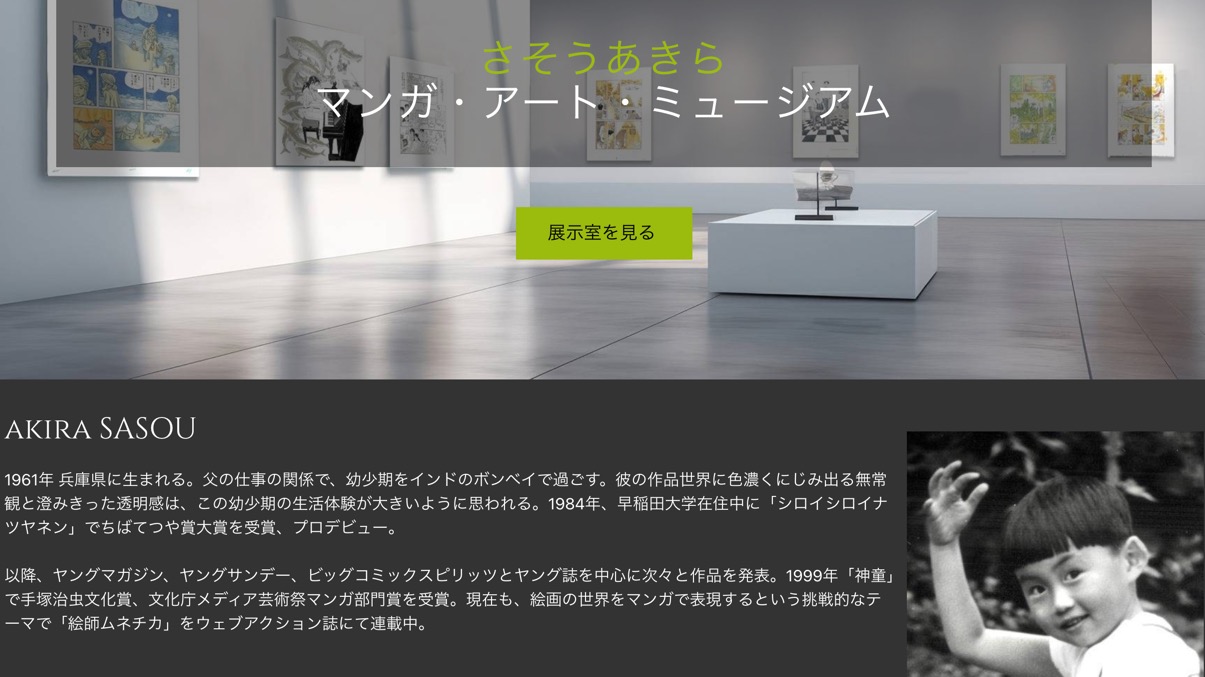
Profile of individual writers
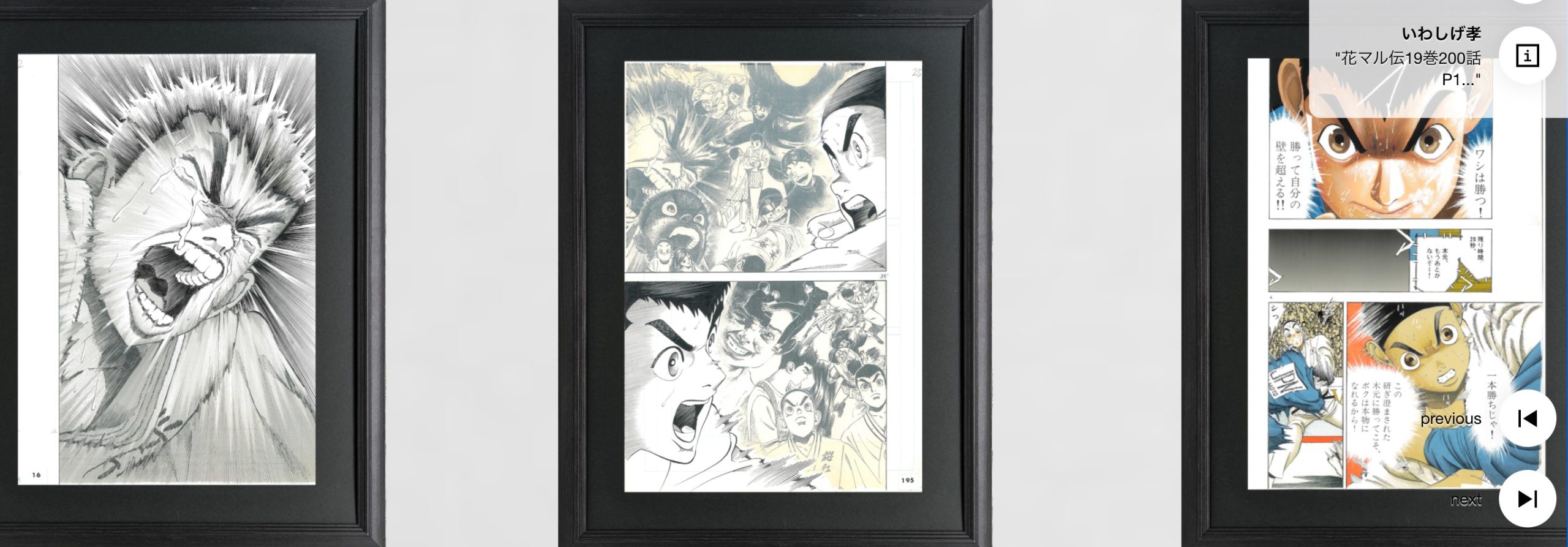
Exhibited works can be enlarged or reduced
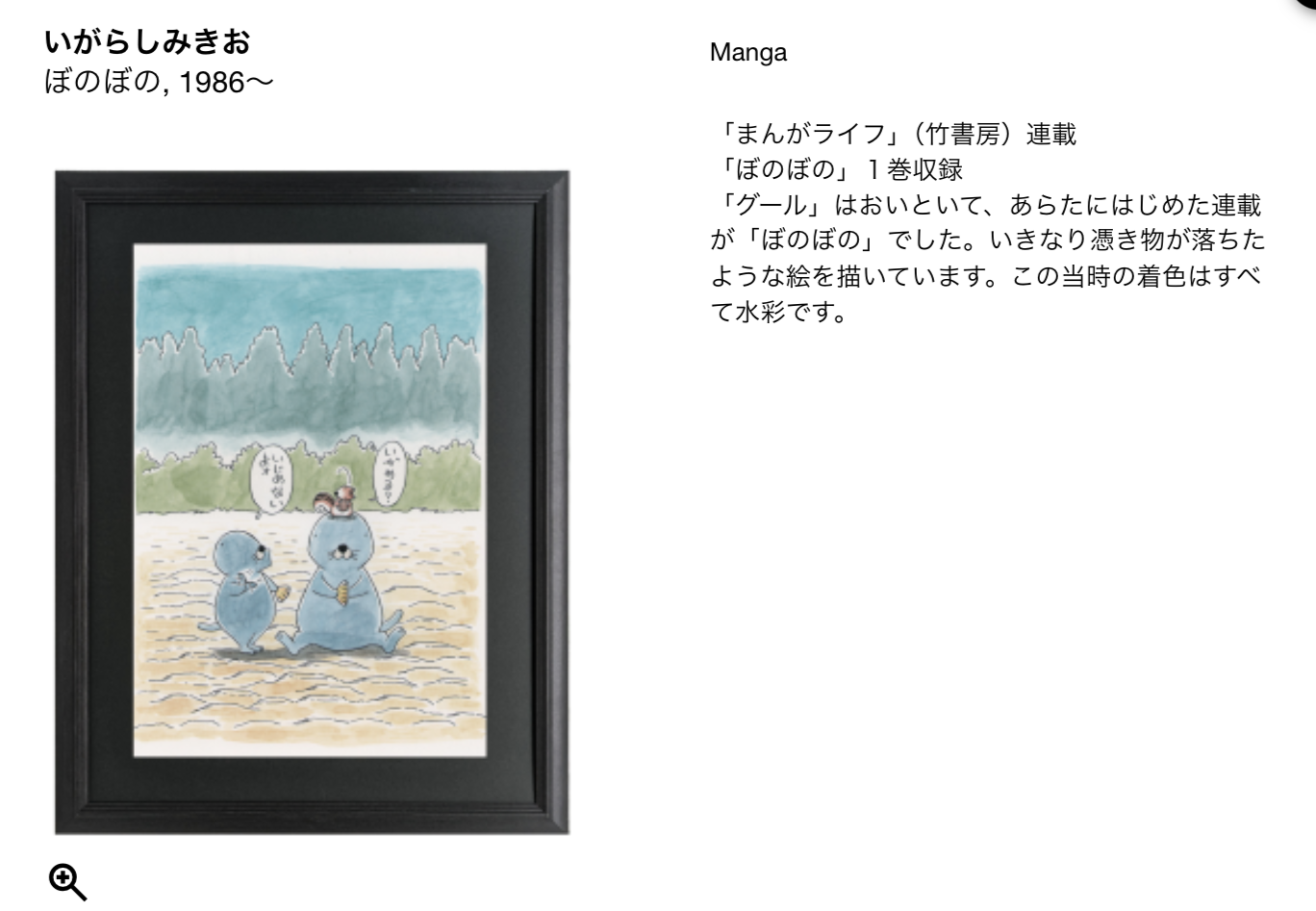
All exhibited works with commentary on the authors
Music Comics Co., Ltd.
Location: Kato Building 2F, 1-5-4 Uchikanda, Chiyoda-ku, Tokyo 101-0047
Representative: Ryuichi Shirayanagi
Established: June 8, 2023
作品情報
検索
アクセスランキング
NOW | Today | Week | Month-
Serialized on Shogakukan’s comic app “Manga One”, a popular manga by Ika Matsuki has been made into a film! The TV anime “Three Kingdoms of Japan” will be broadcast from April 2026!
2026/01/27 18:01
リリース提供:
-
“A person among the villainous daughters – I’ll take revenge on the liar for the reincarnated person who was condemned ~” It’s over! “The person among the villains” has started an animation project! !
2025/05/30 12:00
リリース提供:
-
TV anime “Skip and Loafers” 2nd season production decision!
2024/12/20 12:12
リリース提供:
-
\Animation decision/『Kuzu no Kudzu』 Volume 7 will be released on March 21st! Free release for 2 volumes
2025/03/15 18:00
リリース提供:
-
It’s a hot topic on SNS that you can cry and sympathize! Popular work of 200,000 followers! “Koala Picture Diary” web animation decision!
2025/06/11 17:11
リリース提供:
注目のキーワード
『アニメNEXT_100』 とは
2017年、日本のアニメーションは東京・浅草で初めて劇場公開されてから100周 年を迎えます。
そのさきがけは、現在国宝絵巻となっている『鳥獣人物戯画』、『信貴山縁起 絵巻』、『伴大納言絵詞』など、今からおよそ860年前の12世紀に開花した、まさにアニメ的マンガ的と言っていい連続式絵巻に見ることができます。日本を代 表するアニメ監督である高畑勲氏も、著書『十二世紀のアニメーション-国宝絵 巻に見る映画的・アニメ的なるもの-』でそのことを記しています。

本事業は、一般社団法人授業目的公衆送信補償金等管理協会(SARTRAS)の共通目的基金の助成を受け実施されています。